Wednesday, January 25, 2017

What Causes An Arc Flash?

What Causes An Arc Flash?

Image result for Arc Flash
Slipped tools or hands
Falling parts
Dust, water, corrosion, oil
Animals
Sometimes there is no known cause
When arc flashes occur by accident, they can sometimes be caused much like the way they are
made on purpose.
An accidental slip of a tool, a loose part, or even your hand touching live parts can provide the
start the current needs to jump from one cable to the next.
Loose connections in the electrical equipment, improper installation, and parts that break and
fall are other possible triggers.
Dust, water, impurities, contamination, corrosion, oil, and grease can also provide a starting
route for the short circuit.
Even animals or bugs can get into electrical devices and start an arc flash.
Typically there is a reason for arc flash accidents, although we may not always know what it
was.

High Voltage Short Circuit

Image result for High Voltage Short Circuit
A short circuit, as shown in this next video, does not have a load providing resistance. The arc
that forms goes right through the air with little‐to‐no resistance.
The same thing happens in an arc flash. The circuit is completed straight through the air.

Select whether the following refer to a safely completed circuit or a short circuit that could lead
to an arc flash

safely completed circuit
Turning on a light in an office
Starting a motor control device
short circuit that could lead to an arc flash
Accidentally touching the wires in a panel box with a screwdriver
Splashing water on energized high voltage electrical equipment

What Is An Arc Flash?

What Is An Arc Flash?


Now that we have a good idea about electricity and shock, we can finally get into what an arc
flash is and just how dangerous it can be.
An arc flash is a short circuit through the air in an electrical panel box or any other piece of
energized electrical equipment. Air, as you have already learned, is normally an insulator, but
with a high enough voltage, a slipped tool, or a panel box that is dirty, the circuit can be
completed, causing a short.
When the short happens and the circuit is completed through the air, the air breaks down to
where it offers little‐to‐no resistance to the flow of electricity.
Remember, this is what a short circuit is. A short circuit will have almost zero resistance and will
have very high levels of current. The high current is what is responsible for the arc flash.
The tremendous amounts of energy released in an arc flash make for a very bright, very hot, and
very loud explosion.
Image result for Arc Flash
Arc Flash vs. Safely Completed Circuits

Higher than normal currents
Now in a safely completed circuit, such as when a motor turns on a manufacturing line, the
circuit is complete, just like in an arc flash, but a safely completed circuit has a load on the
circuit offering resistance.
So in a safely completed circuit, the resistance affects the current in the circuit, keeping the
current under dangerously high levels.
Think of a lamp plugged into the outlet of your house. When you turn it on, the circuit is
completed, but the light bulb has resistance, so the current stays within safe limits.
If you were to stick a paper clip in an outlet, the circuit will also be completed, but this time it
will be a short circuit because the metal paper clip offers very little resistance to the flow of
electricity.
By the way, NEVER stick a paper clip into an electrical outlet. It is dangerous, and if you do it you
will receive an electric shock or worse

How Shock Is Measured

How Shock Is Measured:

Image result for Shock Is Measured

I = V / R
To understand how electric shock can hurt you, let’s go back to the equation from Ohm’s Law
that had current on the left side, I equals V divided by R, or current equals voltage divided by
resistance.

Remember that voltage will often stay the same, so the current will depend on how much
resistance there is in the circuit.
If resistance is high, the shock will not be as bad as if the resistance is low. Higher resistance,
then, is better.

Resistance is reduced if you are wet or sweaty, or are not wearing the proper gloves or shoes,
making current (the part that kills you) much greater.
True of false?


When trying to stay safe around electrical hazards, keeping work areas dry and wearing proper
clothing can help keep your body’s resistance high and help keep you from getting shocked. ‐
true

Causes of Electric Shock

Causes of Electric Shock:Related image


There are many ways that a person’s body can become part of an electrical circuit and get
shocked.
You will get an electric shock if you touch a live wire and an electrical ground or if you touch a
live wire and another wire of a different potential.
So, if you touch any live wire and then touch either a different live wire or a ground wire, you
can get shocked.

Electrical Devices

Electrical Devices -1


Image result for Electrical Devices
Fuse
Ground
Fault/ground fault
Receptacle
Plug
A fuse is a protective device that can open a circuit if there is too much current flowing through
it. Since a fuse melts when there is too much current, it protects the rest of the circuit from being
damaged.
Ideally, the fuse will be the weakest point in the circuit and will be the only place that a circuit
will melt.
If a circuit is grounded, it means that the circuit is physically connected to earth ground by a
conductor. This connection to the actual ground, or dirt outside, allows unwanted electricity to
flow to the earth.
Being grounded can prevent the buildup of static electricity and can help prevent electric shock
from faults.
A fault is temporary, unexpected current in a conductor. A short circuit is a type of fault that
allows damaging amounts of current to flow through a circuit.
An arc flash is a type of short circuit.
A receptacle is an outlet for electricity. You have these all over your house and plug items such
as irons and vacuum cleaners into them.
A plug, then, is what gets plugged into a receptacle, allowing an electrical device to get
electricity.


Load
Personal protective equipment (PPE)
Panel board
Transformer
A load is any device that converts electrical energy into light, sound, motion, or heat. One
example would be a light bulb.
A load gives resistance to the current in a circuit.
A light bulb is a load in a circuit that converts electricity into light.
Personal Protective Equipment, or PPE, is clothing and other items that are worn to help keep
you safe when working near arc flash hazards. PPE protects you from the intense light, heat,
sound, and explosion of an arc flash.
The type of PPE required is determined by the amount of voltage and current available. We will
cover determining what type of PPE is needed later in the training.
A panel board is a cabinet containing a group of circuit breakers, fuses, and short circuit
protection devices for lighting, appliances, or other circuits; it is usually placed in or on a wall
with access to the front through a panel door.
You have an electrical panel in your house where the circuit breakers are located.
Transformers help electricity travel over long distances without losing much energy.
Transformers are the only way to get electricity cheaply to your house.
Transformers allow electricity to get to your house by taking the high‐voltage, low‐current
electricity from the power lines and turning the electricity into 120 volt, higher current
electricity.

Transformers are important when learning about arc flash because one of the key components
of how bad an arc flash will be is how much current is available from the transformer supplying
the electricity.

Changes in Voltage, Current, and Resistance:

Changes in Voltage, Current, and Resistance:Image result for Changes in Voltage, Current, and Resistance

If resistance stays the same, then voltage determines current
If voltage stays the same, then resistance determines current
Current is dependent on the voltage and the resistance
Staying with the similarities between electricity and water, let’s see what happens when voltage
and resistance change.
When voltage in a circuit changes, with resistance staying the same, current changes.
If you hook up a light bulb to a 1.5 volt battery, and then change the battery out for a 9 volt
battery, the light will shine brighter due to more current flowing through the circuit because of
the higher voltage.
The resistance comes from the light and does not change.
Similarly, if you increase water pressure in a pipe, more water will flow through it.

When resistance in a circuit changes, with voltage staying the same, current changes. In an arc
flash, resistance drops close to zero on a high voltage circuit, leading to current drastically
increasing, and creating an explosion.
Similarly, if you accidentally cut into a high volume, high pressure water pipe, the sudden
explosion of water could harm you.
Current is difficult to control in a circuit. That is why it is so important to be aware of arc flash
hazards. The rapidly increasing current in an arc flash can cause life altering injuries and even
death.

what is ohm's law explanation

Ohm’s Law:

V = I x R I = V / R R = V / I
Image result for Ohm’s LawVoltage, current, and resistance are related through equations from Ohm’s
Law. These three equations are really the same; if you know two of the values,
you can find the third value.
In most settings, both at home and in manufacturing, voltage often remains
the same. Your outlets at home are around 120 volts, but in manufacturing, the
voltage is often much higher, from 480 volts up to several thousand volts.
The equations of Ohm’s Law are: voltage equals current times resistance, … current equals
voltage divided by resistance, … and resistance equals voltage divided by current.
Current is what kills workers when they are electrocuted. Lots of current is also what makes an
arc flash so powerful. These equations will help you understand why.
When someone is shocked, current is passing through their body. The second equation, then,
with current on the left, is what we will focus on.

I = V / R (highlight equation as it is discussed)
100 volts / 100 ohms = 1 amp
100 volts / 10 ohms = 10 amps
100 volts / 1 ohm = 100 amps
The level of current in someone’s body when they are shocked or electrocuted, or the amount of
energy released in an arc flash, is determined from the voltage supplied and the amount of
resistance that is holding back the flow of electricity.
Let’s go through some examples to see how this works.
100 volts divided by 100 ohms is 1 amp. 100 volts divided by 10 ohms is 10 amps, and 100 volts
divided by 1 ohm is one 100 amps.
As you can see, if the top number, the voltage, stays the same, the result, the current, goes up
as the bottom number, the resistance, goes down. If we take resistance down to 1/10th of an
ohm, the current would then go up to 1000 amps.
If the level of current depends on the resistance, a high resistance, similar to the top equation,
will lead to a low current.
If the resistance is small, similar to the bottom equation, the current will be dangerously high.
So the more insulated a person is, the more resistance they will have to the electricity. The more
resistance there is, the less current that will flow through the body, lessening the chance of
injury or death.

what is energy used

energy usedImage result for energy used

It is often useful to measure how much energy has been used. Your electric bill is based on how
much electricity you use over a period of time, usually a month.
To find out the total amount of energy an electric appliance uses, you have to multiply the
power it uses by the amount of time you use it. The result is measured in units of power
multiplied by time, often converted into a standard unit called the kilowatt hour.
If you use an electric toaster rated at 1000 watts (or 1 kilowatt) for a whole hour, you have
used 1 kilowatt hour of energy.
You'd use the same amount of energy burning a 2000‐watt toaster for half an hour or a 100‐
watt lamp for 10 hours.

Measured in kilowatt‐hours

what is power

what is power:Related image

Voltage and current working together is what gives you electrical power. More voltage and
current will provide more electrical power. Electrical power is measured in watts.
The electric power in a circuit is equal to the voltage multiplied by the current. In other words:
watts equals volts times amps.

Watts = Voltage X Current
Current = Watts / Voltage
0.83 amps = 100 volts / 120 watts

So, if you have a 100‐watt light bulb in your house with 120 volts, the current will be around .83
amps. This is because 100 divided by 120 equals 0.83.
We will remember this .83 amps when we get into electrical safety to see just how dangerous
small amounts of current can be.

A measure of power, or voltage multiplied by current ‐ Wattage/power

Factors Affecting Resistance

Factors Affecting Resistance:Image result for Factors Affecting Resistance

Material
Diameter
Temperature
Length

Four factors determine the resistance of a material to the flow of electricity. The first is the type
of material.

As you have already learned, conductors are made of materials, such as copper and aluminum,
that allow the flow of electricity because they do not have much resistance. Insulators, though,
are made of materials with a high level of resistance

The shape of the material is another factor that affects resistance.
The diameter of a wire, for example, helps determine the resistance of an object ‐ more material
for current to flow through means less resistance.


A wire that is very thin has more resistance than a similar wire that is much thicker.
Temperature is another factor that affects resistance.

A hot wire will often have a higher resistance to the flow of electricity than a similar wire that is
cold.

Length also affects the resistance of a wire.
A long wire will resist electricity more than a short wire if they are made from the same
material, are the same thickness, and are at the same temperature.
Determine whether the following wires will have more resistance or less resistance than a 1 foot
wire made of copper. The wire is 1/16th of an inch in diameter and is at room temperature.
more resistance

A wire 30 feet long having the diameter of a human hair
The original wire heated up in a furnace less resistance

A 1 inch wire with a diameter of 1/4th of an inch
The original wire cooled down in liquid nitrogen.

what is resitance

Resistance:Image result for resistor

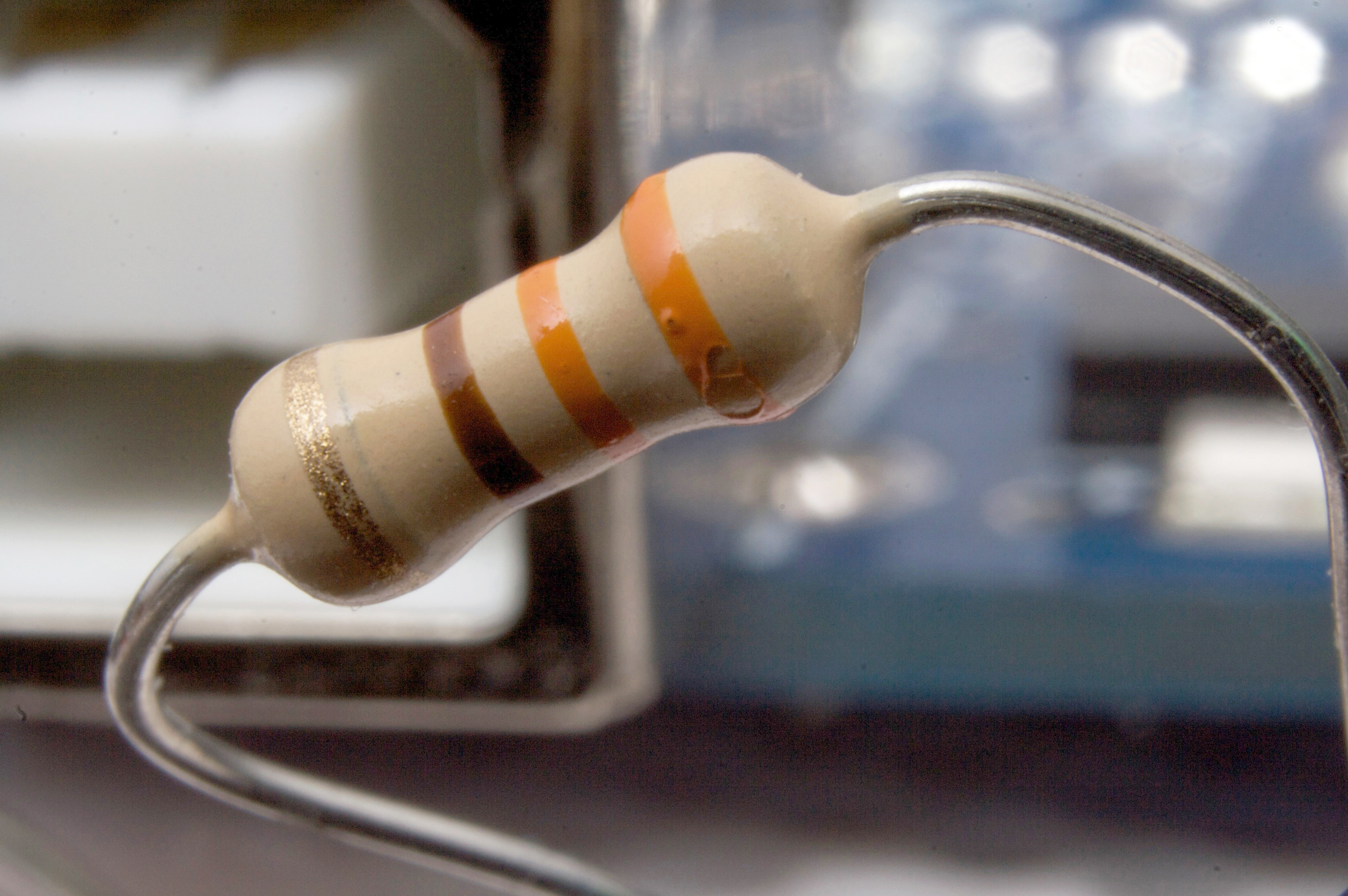
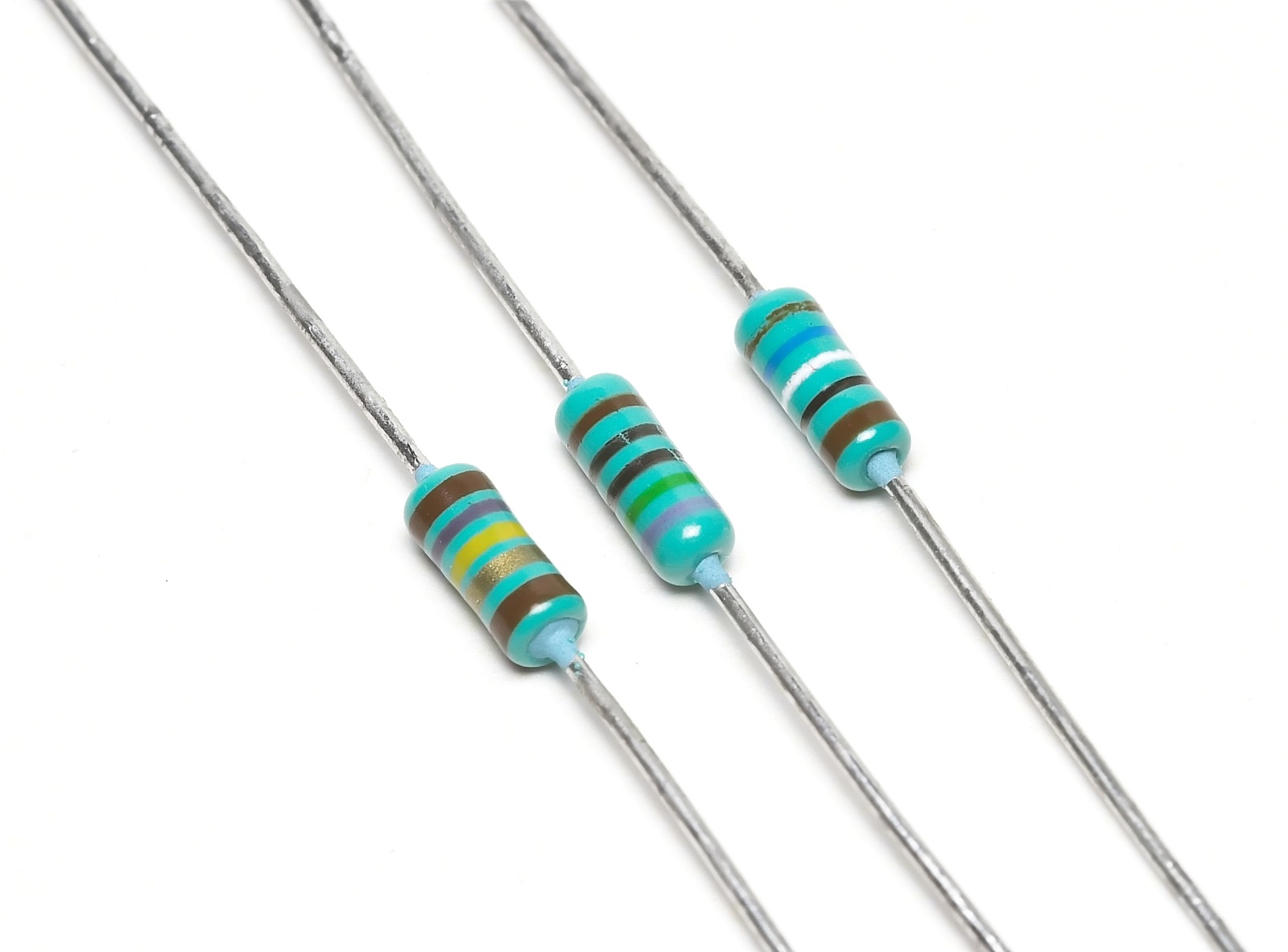
Resistance:it is which opposes of the current is nothing but resistance.

 A measure of how difficult it is for the energy to flow
Toasters use resistance to toast bread often associated with voltage and current is resistance.

Resistance is how much the electricity is
being held back, or how difficult it is for electricity to flow though part of a circuit.

 Resistance is measured in ohms.

Different materials have different levels of resistance. Remember
the difference between conductors and insulators?

Copper and aluminum wires have a very low resistance to the flow
of electrical current. That is why they are conductors of electricity.
The plastic around a copper wire has a very high level of resistance.
That is why it is an insulator. Plastic will not allow electricity to
easily flow through it.

Toasters work on resistance. When electric current passes through
the wires of a toaster, the resistance causes the wires to heat up,
toasting your bread.

What is current

CurrentImage result for Current

Current: a measure of the flow of electricity

Voltage is not the part of electricity that moves through a wire. The part of electricity that
moves through a wire is current.

Current is measured in amperes or amps.

If you know anything about fuses, you know that fuses are rated by how much current can flow
through them without melting and then stopping the flow of current because of the broken,
melted wire.

Too much current, then, will get wires hot and melt them. In an arc flash, there is so much
current that parts not only melt, but they vaporize and explode.

current
The measure of the flow of electricity
Measured in amps
Too much of this will blow a fuse

What is Voltage

Voltage:Image result for Voltage


Voltage is an electrical force or pressure that pushes electricity
through a wire.

 Voltage is measured in units called volts.


The more voltage a circuit has, the more electricity is trying to move
through the parts in the circuit. A battery, for example, with more
volts will make a flashlight shine brighter.


Most homes in the india. run on 220 to 240 volts. Voltage in manufacturing settings are often
much higher.

voltage
Measured in volts

The electrical force or pressure trying to move electricity through a wire

Ways To Measure Electricity

Ways To Measure Electricity

Voltage
Current
Resistance
Power/Wattage
Now that you have a basic understanding of what electricity is, we can move on to discussing
how electricity is measured.
Four common measurements of electricity are voltage, current, resistance, and wattage.

what is Insulators

Insulators:

An insulator is just the opposite of a conductor. It does not allow the flow of an electric charge
and keeps electricity from getting to unwanted areas.
Image result for Insulators

Insulators do not normally allow the flow of electricity
glass
rubber
oil
asphalt
fiberglass
porcelain
ceramic
quartz
(dry) cotton
(dry) paper
(dry) wood
plastic
air
diamond
pure water

The plastic insulation around a copper wire is an example of an insulator. Others you might not
have thought of are glass, oil, and pure water.
As we go further into the training we will find out that electricity can flow through insulators
under certain circumstances.
An arc flash is one of the circumstances where air actually acts as a conductor.

what is conductors Conductors

Conductors:

A conductor is anything that allows the flow of an electric charge. A common conductor you
probably already know about is copper. Copper wires conduct electricity.
Image result for Conductors
Conductors allow the flow of electricity
silver
copper
gold
aluminum
iron
steel
brass
bronze
mercury
graphite
dirty water
concrete
Electric current flows through electrical conductors.

Copper, as well as aluminum, is often used to deliver electric current to machines in
manufacturing settings as well as any electric appliances at home.
As you can see from the slide, most metals are good conductors. Some of the conductors listed
that might surprise you are dirty water and concrete

Definations of Electric Charge, Static Electricity, and Current Electricity

Definations of Electric Charge, Static Electricity, and Current Electricity

Image result for Definitions of Electric Charge, Static Electricity, and Current Electricity
When an electric charge builds up in one place it is called static electricity
Electricity that moves from one place to another is called current electricity
The electrons that are involved in electricity have an electric charge.

When an electric charge builds up in one place it is called static
electricity.

We can understand electric charge by looking at someone touching a
static electricity generator. In the picture her hair is standing up
because of an electric charge that builds up in her hair.

The electricity that builds up when you scoot your feet on the floor on
a cool, dry day and shock someone is also because of static electricity.
Lightning is another spectacular display of static electricity.

Electricity that moves from one place to another is called current
electricity.

An electric current, then, is the flow of electric charge. Electric
currents move through wires to make motors spin, lights light up, and heaters warm a house.

What is electricity

Electricity

http://basicelectricalzone.blogspot.in/
Add caption

Electricity is the flow of energy from one place to another
A flow of electrons (current) travels through a conductor
Electricity travels in a closed circuit.
When you think of electricity you should think of it as a form of energy that flows from one place
to another.
Electricity involves the flow of electrons in a closed circuit through a conductor. But don’t worry
if you don’t understand all of this yet. We will cover each of these items and more in detail as
we progress through the training.